
End-of-Life Caregiving: Hospice Morphine, Feeding Tools, and My Mom’s Peaceful Passing
This post may contain affiliate links from Amazon.com, TheWrightStuff.com, flexoffers.com, and CaregiverProducts.com, which means I may recieve commissions if you choose to purchase through links I provide (at no extra cost to you). If you use any of my links, I greatly appreciate it!
Caregiving at the end of life is one of the hardest journeys anyone can walk. In the past six months, I became both caregiver and witness as my mom declined. This post shares what happened in our final weeks together — from hospice ordering morphine in milliliters to the feeding syringes that made her last days more comfortable — and how she passed peacefully at home.
Mom’s Decline After Illness
In February, I got the flu. Because of my lung issues, it takes me longer than most to recover. I had to step back and focus on both caring for Mom and managing my own health.
Unfortunately, everyone in the house got sick — Mom included. That illness hit her hard and started a downward spiral.
First, she stopped walking. Then her appetite began to fade. No matter how much food or protein I tried, she kept losing weight. For a little while, she seemed to rally, but it didn’t last.
Feeding Tools for End-of-Life Caregiving
When chewing became a struggle, one of our aides suggested syringes for feeding. I bought a set, thinking, “Okay, let’s try this.”
They turned out to be such a help — making it easier to give her soft foods and liquids without stress.
📸 The syringe I used for mom. Find it here on Amazon.
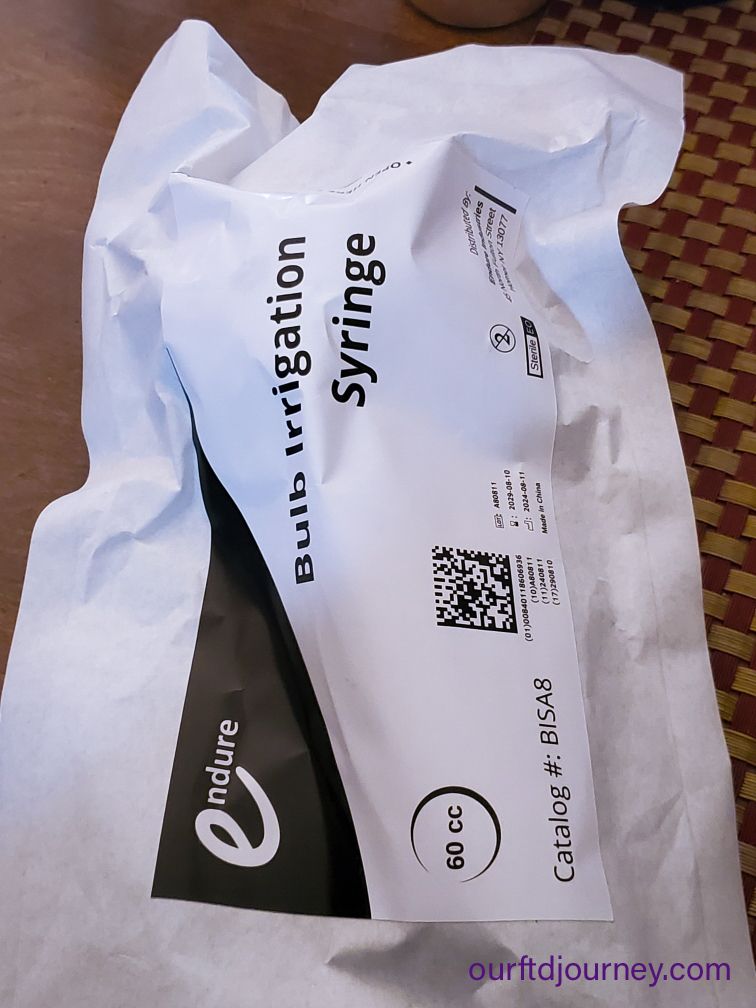
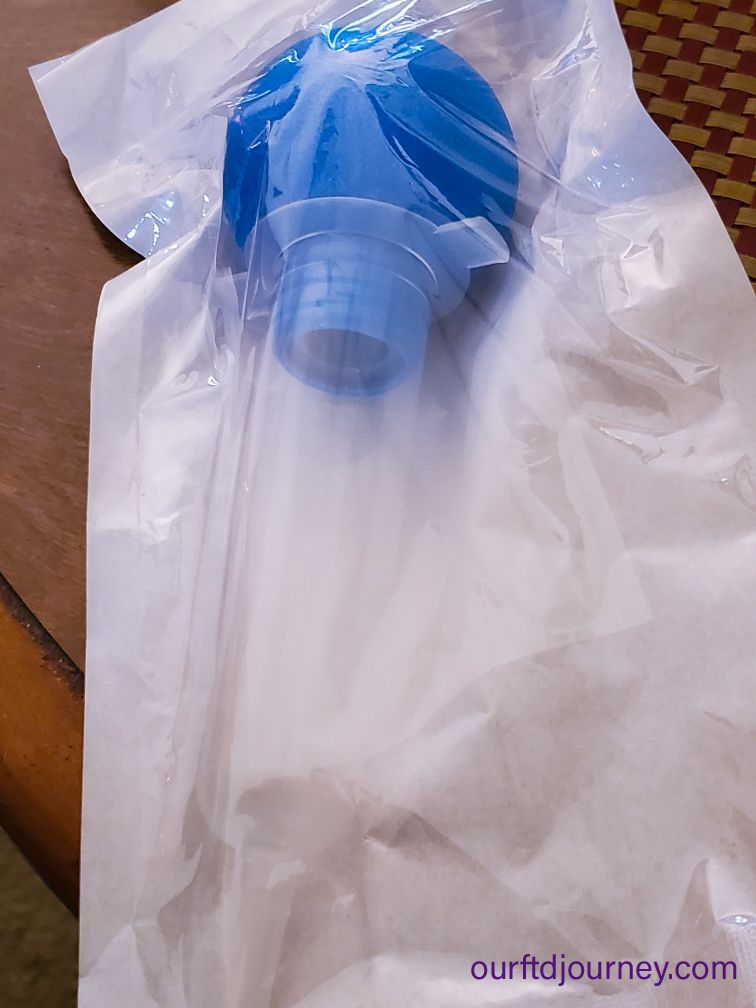
Hospice gave me thickener to use, but she hated it so much she spit out anything that had it. I can’t say I blamed her. It became clear this wasn’t just a swallowing issue — her appetite itself was disappearing.
Hospice Comfort Care: Morphine and Oxygen
A couple of weeks later, her hospice nurse told me the end was near. Mom’s feet were mottled with purple specks — a sign her circulation was failing. She stopped eating entirely and went from sitting in her recliner to being fully bedbound.
Her breathing grew harder and shallower. Hospice ordered morphine — 0.25 ml every three hours, given between her cheek and gum. I set alarms and stuck to that schedule. If she looked like she was in pain before a dose, I made sure she never had to wait.
When her breathing worsened, hospice added oxygen. Later, as her distress increased, they adjusted her schedule to morphine every two hours and added Ativan to calm her.
I would rub her face and head after every dose, telling her, “It’s okay. I’m here. We’re going to get you comfortable.” By then she couldn’t speak, but her eyes would move, and I still understood her.
The Last Hours: A Peaceful Passing
On her final night, Mom began wheezing and making whistling sounds. Her breaths slowed to about six per minute. I raised her oxygen to three liters and continued giving her medication on schedule.
Around 1am, I gave her another dose, then nodded off for a bit. At 3am, my alarm went off, and when I checked, her chest was no longer rising. She was still warm, but she was gone.
By 5am, hospice had come and the funeral home carried her away.
My mom passed away on September 3rd, 2025, just before 3am.
Caregiver Reflection and Support
The last six months were a battle — for her, and for me. But I’m grateful she was comfortable and at peace when she passed.
If you’re searching for what to expect in hospice care — whether it’s morphine dosing schedules, comfort care at home, or tools like feeding syringes — know that you’re not alone.
Caregiving is not about perfection. It’s about comfort. The small things — rubbing a hand, giving a dose on time, whispering reassurance — those are what matter most.
I miss my mom. I always will.
Rest in peace, Mom. I’ll forever miss you.